
PupWorld
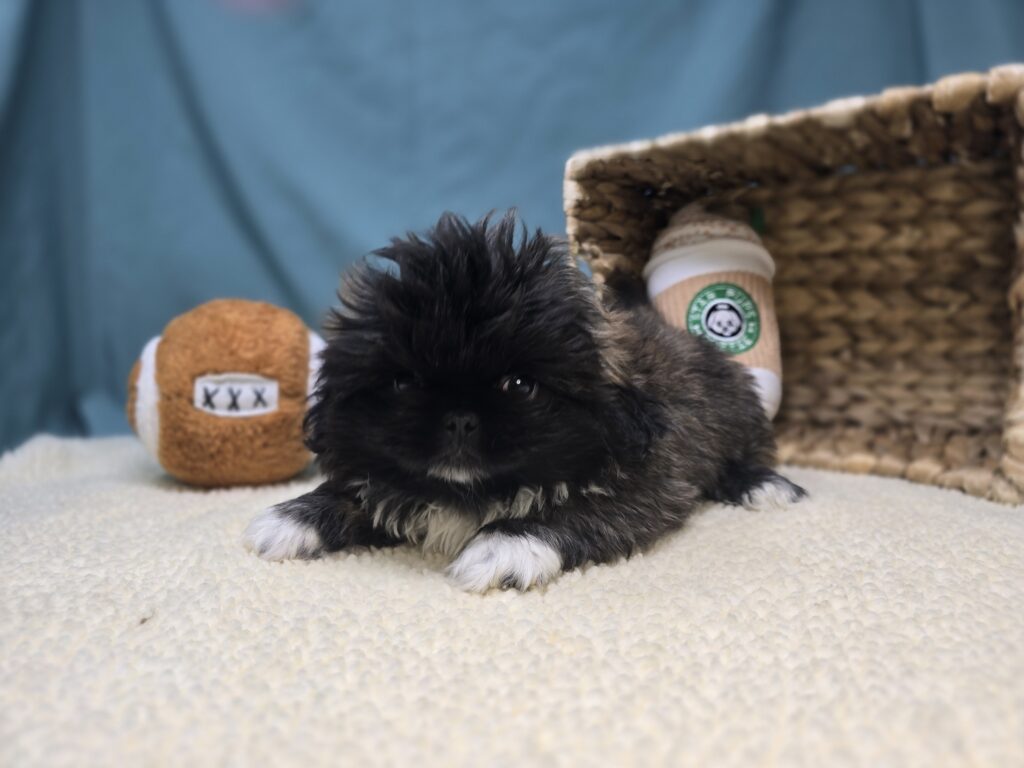
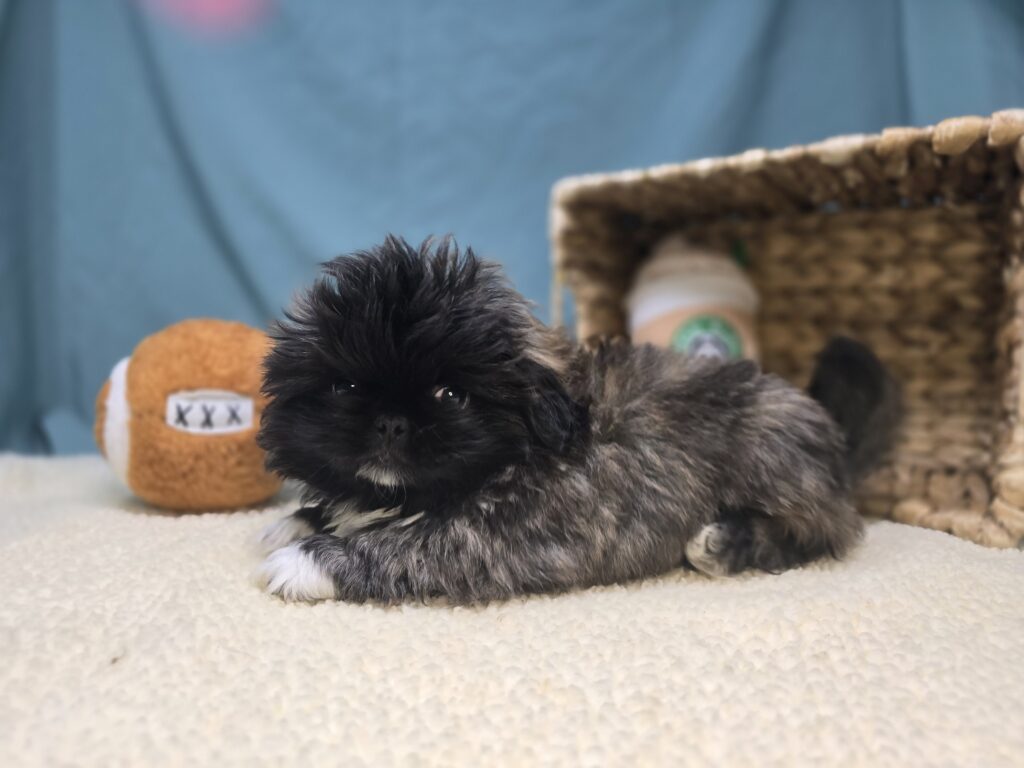
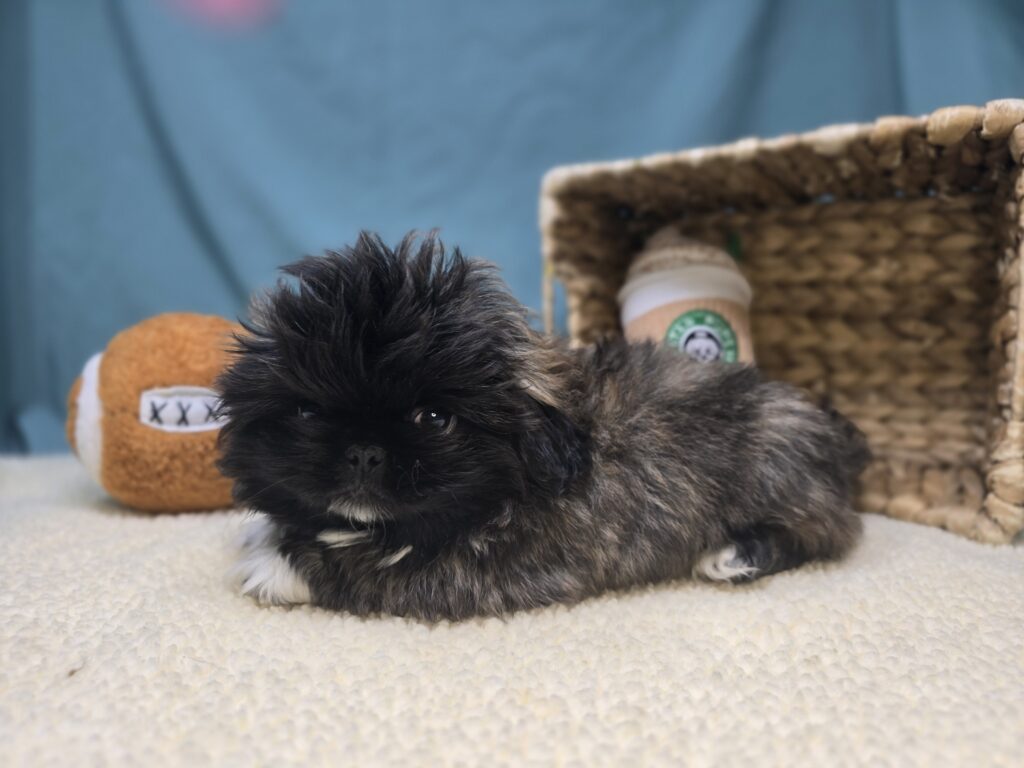
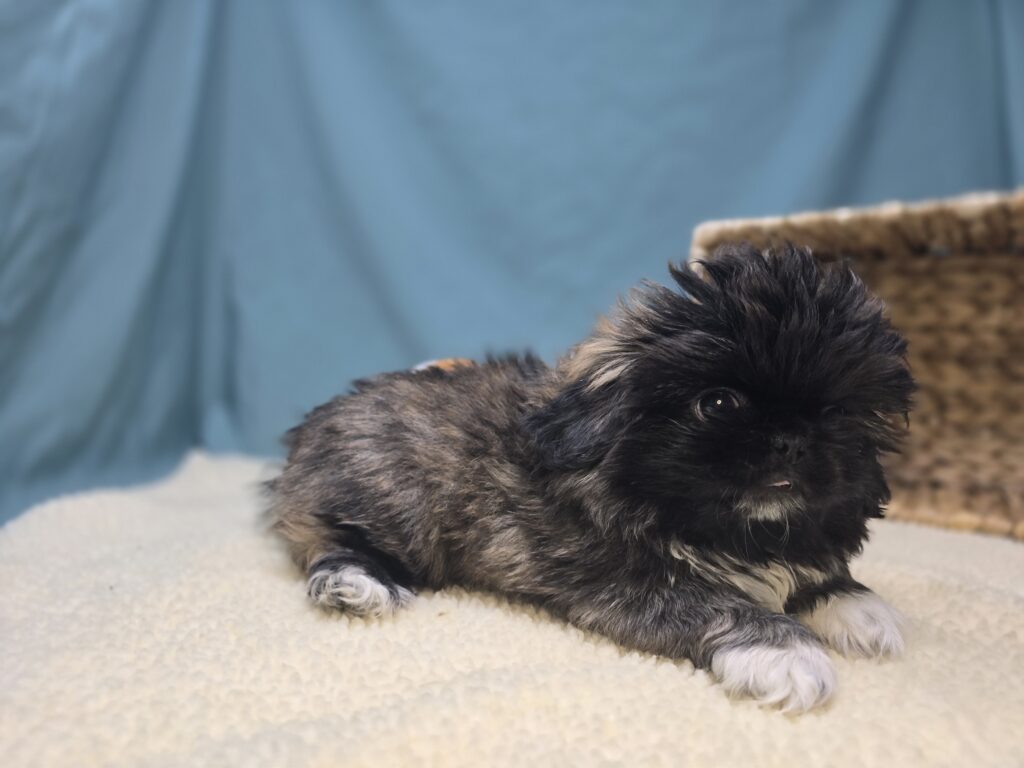
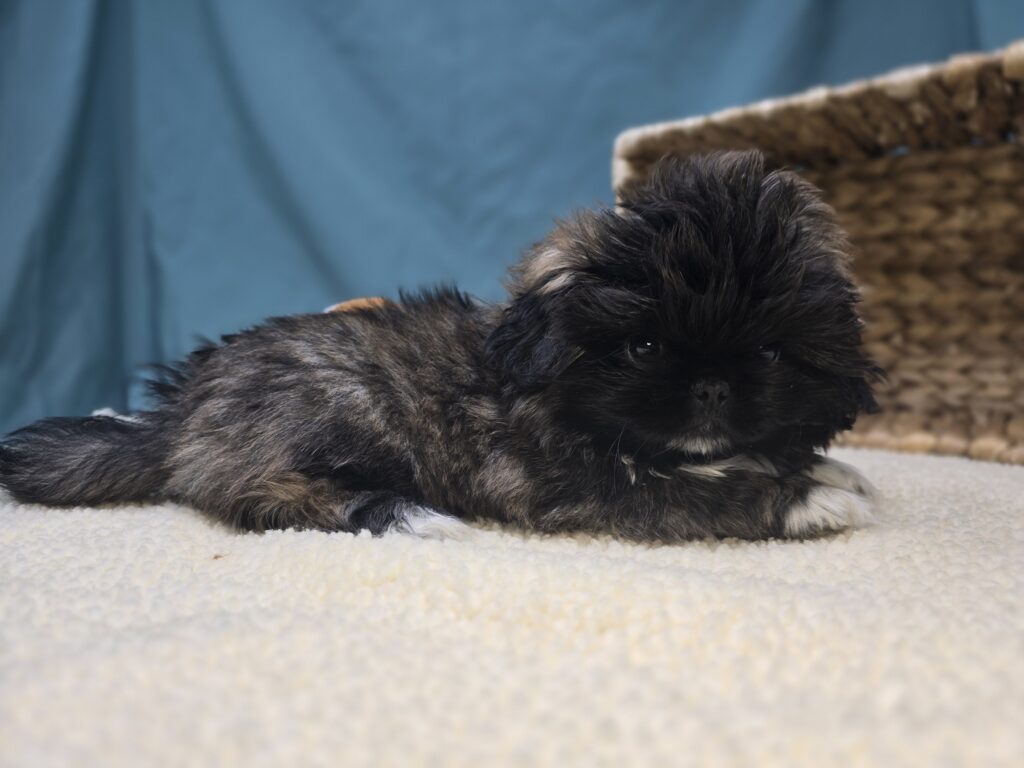
Pekingese


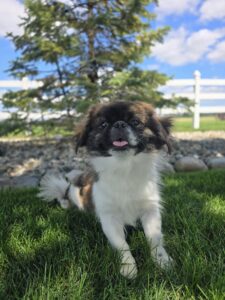
Pekingese
Registry: AKC
Weight: 12 lbs
OFA Tested: Yes
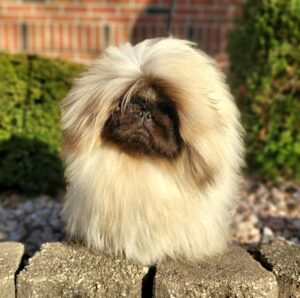
Pekingese
Registry: AKC
Weight: 13 lbs
OFA Tested: Yes

Dignified, charming, and full of personality, the Pekingese is a toy breed known for its lion-like appearance and deeply loyal nature. Bred to be royal companions, these small yet confident dogs carry themselves with an air of self-importance and pride. Adult Pekingese typically weigh between 7 to 14 pounds and stand 6 to 9 inches tall. With their long, flowing coat, short muzzle, and expressive eyes, they are both eye-catching and affectionate lap dogs best suited for calm, loving households.
The Pekingese has an ancient lineage dating back over 2,000 years to Imperial China, where the breed was revered as a sacred companion to Chinese royalty. Commoners were forbidden from owning them, and stealing one was punishable by death. These dogs lived within the walls of the royal palace and were carried in the sleeves of nobles. When British troops looted the Imperial Palace in 1860, several Pekingese were brought to England, where they quickly gained popularity. The breed was officially recognized by the American Kennel Club in 1906 and remains one of the most historically significant toy breeds.
The Pekingese was developed with the goal of creating a small, devoted companion that embodied grace, charm, and independence. Over centuries of selective breeding, traits like a flattened face, compact body, and long, profuse coat were emphasized. The breed’s signature “rolling” gait, large eyes, and confident expression are all part of its royal heritage. Though originally bred for palace life, modern Pekingese have adapted to life in everyday homes, provided they are treated with respect and not subjected to rough play or overexertion.
Pekingese are affectionate, loyal, and regal in attitude. They often form strong attachments to one or two people and can be somewhat aloof with strangers. Despite their small size, they possess a strong-willed and brave personality, often unaware of how tiny they are. While they enjoy cuddling and quiet companionship, they also value their independence and may not be as eager to please as some other breeds. Patience, consistency, and a respectful approach are key when training a Pekingese, as they respond best to calm, positive reinforcement.
The Pekingese is a low-energy breed that thrives in quiet environments. They are well-suited to apartment living, provided they get short daily walks and indoor play. Due to their flat faces, they are prone to breathing difficulties and should not be overexerted, especially in hot or humid weather. Their long coat requires frequent brushing at least three to four times per week to prevent tangling and matting. Regular grooming, including eye care and facial cleaning, is important for their health and comfort. Because of their sensitivity and delicate structure, Pekingese are best suited to homes without roughhousing children or large, active dogs.
Pekingese are brachycephalic, meaning they have short muzzles that can make breathing difficult, especially in heat and humidity. They are prone to overheating and should always be kept in cool, shaded environments during warm weather. Limit outdoor activity on hot days and ensure access to fresh water and air conditioning indoors.
Pekingese can get along well with other pets, especially if raised with them. However, they tend to be independent and may prefer to be the center of attention. They may not tolerate rough or overly energetic animals, so supervision and gentle introductions are recommended when adding a new pet to the household.
Yes, the Pekingese can be an excellent companion for seniors. They are low-energy, affectionate, and happy to spend quiet time with their favorite person. Their grooming needs require some commitment, but their relaxed demeanor and small size make them ideal for individuals seeking a loyal, calm lap dog.